

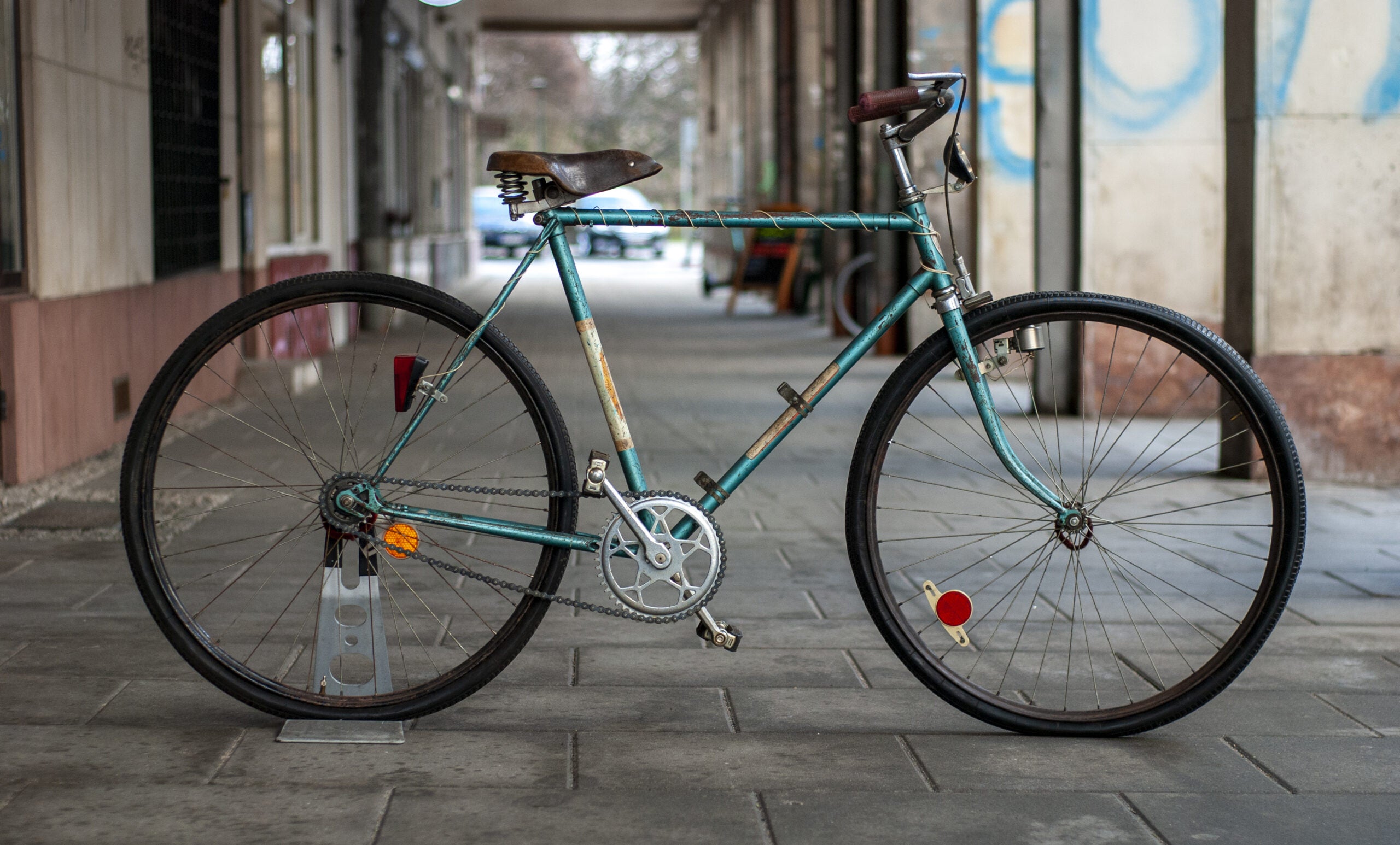
The season is in full swing, and bikes are in short supply. Increased demand and reduced supply have meant that not only new bikes are in short supply. Those that are available have become more expensive, and there's no sign of this trend changing anytime soon. We can barely manage to assemble parts for our bikes ourselves, and wholesaler prices have hit us too. It's no surprise, then, that the used bike market has also been torn apart. Prices have skyrocketed, speculators straight out of the car dealerships have caught wind of the deal, and the value of that B'Twin rotting on the balcony has doubled. And all you want is a used bike that will actually work.
This post will help you prepare - it's based on many years of work in the service and, as far as possible, devoid of the snobbery of a cycling nut. For people, or something like that.
Check if the used bike is not stolen
That's the first issue. The frenzy on the market has made bike thefts already common. It's a good idea to ask the seller for proof of purchase, but many people simply lose them. With older bikes, we can forget about it completely. However, if you're buying a relatively new bike, especially one still under warranty, the lack of a receipt becomes suspicious.
Unfortunately, verification is often impossible, but it's worth trying. Ask the seller for the frame number—it's the best way to identify the bike. There are several online databases that collect information about stolen bikes. Check them all. What about the police database? That's brilliant—to check if the bike is stolen, you have to physically take it to the police station. There's no way to check, even by phone. If you live in the same town as the seller, this shouldn't be a problem. However, in the current market situation, when demand is high, the seller may simply not want to bother. And honestly, I'm not surprised.
Used bike from Germany - bargain
Regarding the origin, I also advise caution when importing bikes. It's not so much about theft, but about condition. I've often serviced "perfect" city bikes, freshly imported from Germany or the Netherlands, that were completely useless. For example, a worn-out gear hub that hasn't had a spare part for 30 years. Unfortunately, dealers often collect bikes straight from scrapyards or buy them from scrapyards for next to nothing, and then just thoroughly clean them.

Stories of fishing them out of sewers or recovering them from flooded basements aren't as absurd as they might seem. I've had a creaking bottom bracket unscrewed from a "bargain" bike, and a puddle of water poured out of the shell. Of course, not every seller importing bikes from abroad is a fraud, but you should still be vigilant. Besides, how could these bikes possibly be better than ours? It's 2022. Besides, things are more expensive there than here, and a "rich German" doesn't just sell his bike for next to nothing.
Traces of accidents
However, if you've determined that the used bike is from a reputable source, it's time to start inspecting it. Just like with a car, we first check to see if it's been abused. It's worth checking the top tube and diagonal tube for bends, paint cracks, and dents that indicate a head-on collision. The same goes for the fork – a bend in the fork relative to the steering column is a typical result of an accident. It's also a good idea to take a ride and check if the bike is truly a two-wheeler. Simply release the handlebars and see if it's tracking straight .
How original is your potential used bike?
Compare the bike's actual condition with the factory specifications. If any parts don't match, it's worth asking the owner about its history. Of course, modifications aren't a bad thing (they're often improvements), and some parts simply wear out. However, improper tuning or repairs often lead to performance issues. Check that the modified parts are compatible with the rest of the bike. Another issue is that some manufacturers install incompatible parts at the factory.
Sir, it was taken care of
The level of technical culture in Poland is... so-so. It's worth asking the seller how often they changed their chains, what oils they used, and how often they performed inspections. If the bike has air suspension, it requires considerable attention – many people neglect servicing or use random oils in random amounts themselves. The result – a seized shock absorber. Be on the lookout for all sorts of patents and DIY projects – if someone drills a frame to attach a pump, it could be a precursor to larger "inventions" that aren't immediately apparent. Avoid ideas that can't be serviced routinely, such as garage electrical systems.

Drive and brake condition
Ideally, you'd want to have a chain tension meter with you. Contrary to appearances, this isn't such a far-fetched idea – this device costs a few dozen zlotys and will certainly come in handy when using your bike. But you can manage without one – carefully inspect the teeth on all gears and check for chain skipping. For hydraulic brakes , find out when they were last bled – this should be done at least every two years.
Wheels
A used bike can become a bad investment if the wheels are damaged. Of course, it's not about checking everything with a wheel truing stand, but serious warping doesn't reflect well on the bike. Also, shake the wheel side to side to check for play and see how the freewheel mechanism works by turning the wheel and stopping the drive. For bikes with rim brakes, carefully inspect the rim flanges. Most rims have a small hole drilled or a milled notch around the circumference. If the surface is worn, these are invisible. This could cause the wheel to explode under the pressure of the inner tube. I don't recommend this.
A used bike may be in great condition
I'm trying to scare you, but let's not get paranoid. Always try to be nice to sellers and don't try to force a deal. The best way to deal with a used bike is to be patient. Instead of making compromises now, I recommend clearly defining your needs, requirements, and capabilities, and then regularly checking the listings. Bikes sell out quickly these days, so if something sits on Allegro or OLX for a few weeks, it's probably for a reason. If you're not looking for something unusual, you'll surely find one soon. And once you've made your decision, it's definitely worth drawing up a purchase/sale agreement (you can find a template I prepared here) . This reduces the chance of misunderstandings and provides excellent documentation for the future if you decide to get rid of the bike.


Leave a comment