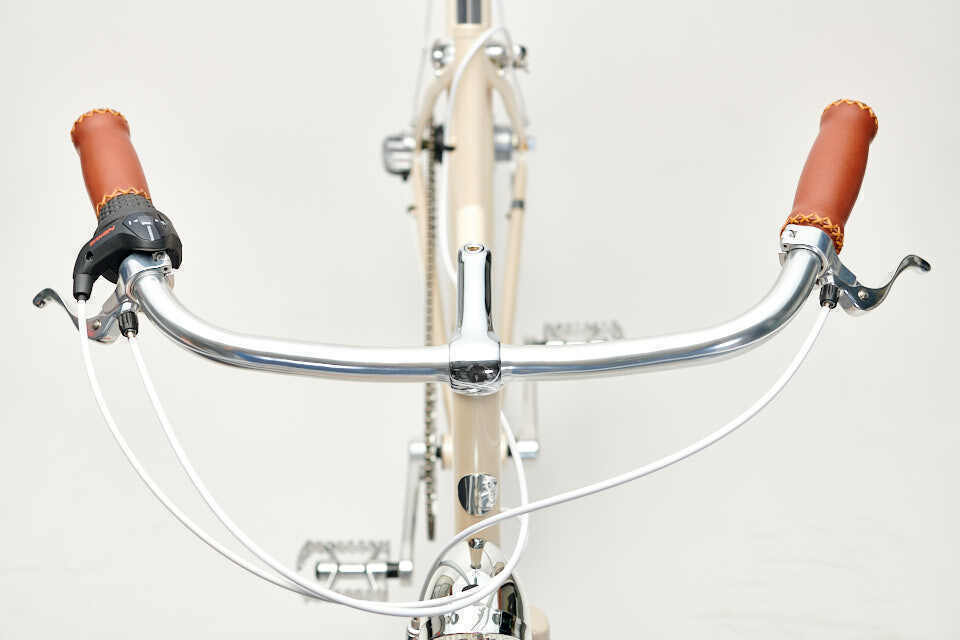
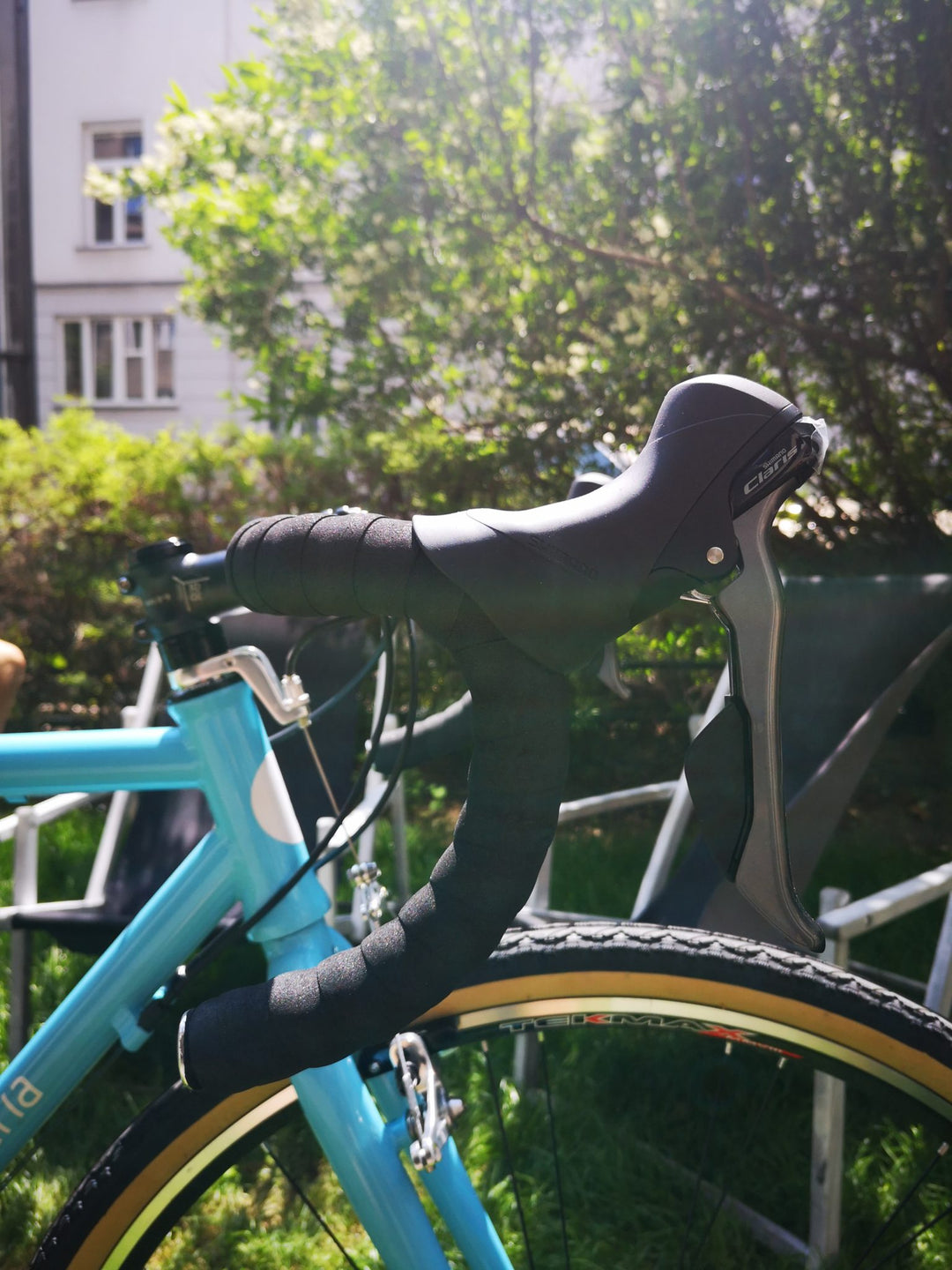
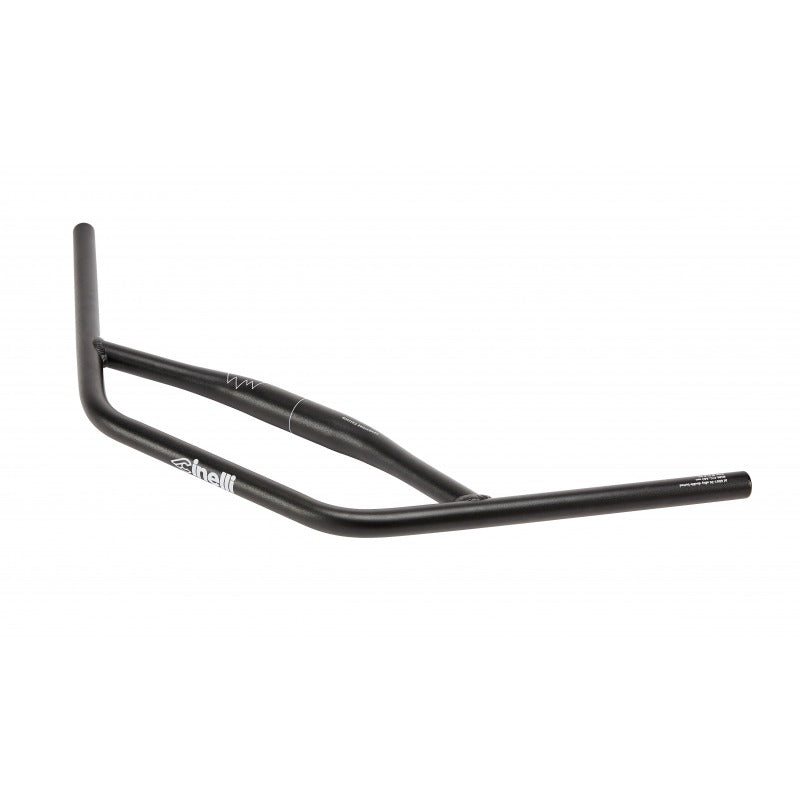
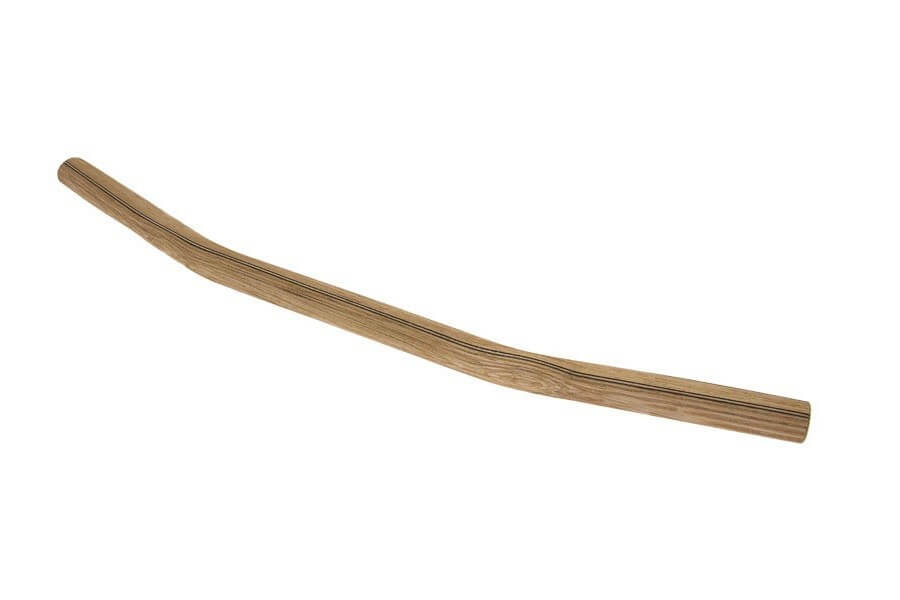
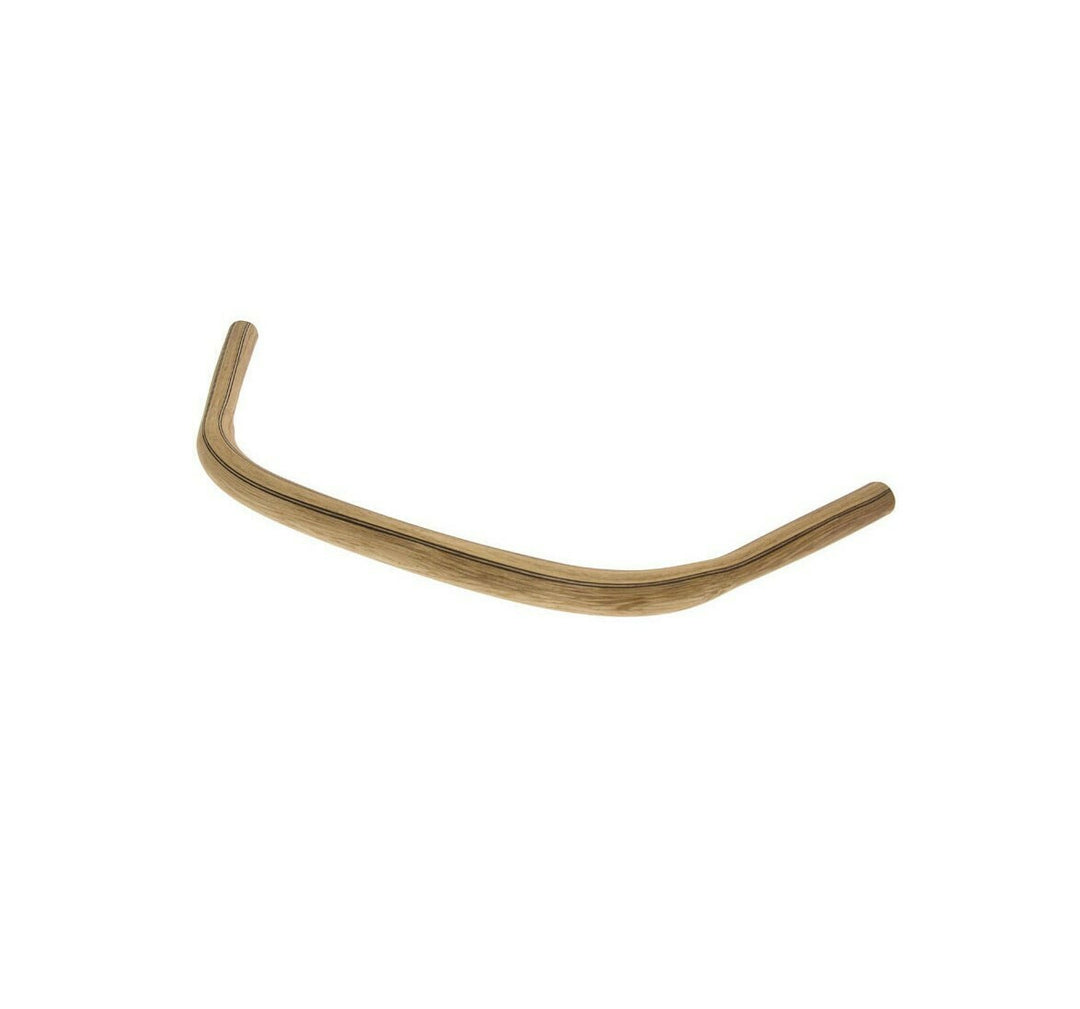
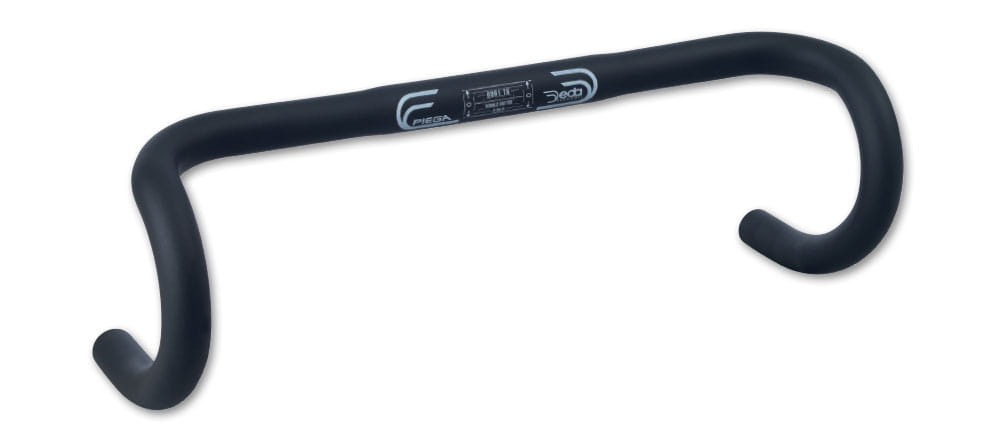
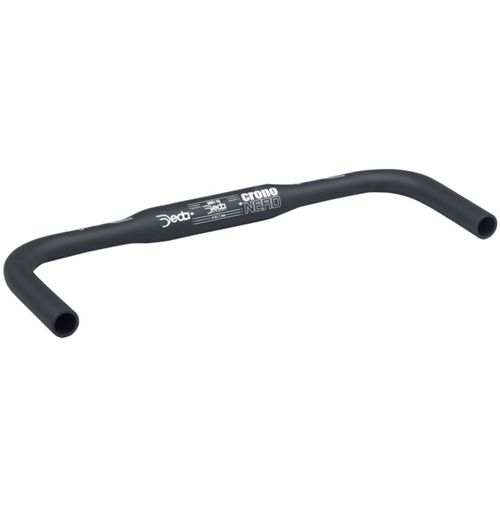
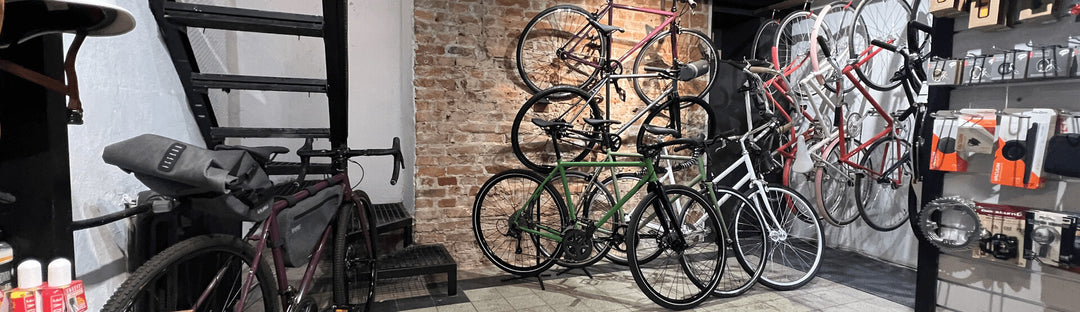
The handlebar is the main control element of the bicycle. It is attached to the stem. Grips, levers, and optional accessories such as a speedometer or lighting are mounted on the handlebar. Currently, handlebars are made almost exclusively of aluminum (except for high-end bikes, where carbon fiber predominates). Based on their shape, they can be divided into straight handlebars called risers, which were originally found on mountain bikes (MTBs). Swallow-bars are now seen primarily on city bikes and some touring bikes. Most so-called Dutch bikes are equipped with this type of handlebar as standard. They allow for maintaining the most upright and comfortable posture. Drop-bars are handlebars traditionally installed on road and track bikes. The final group are bull-horns. They have long been used in time trials in road cycling, but have recently found a large following among fixed-gear and single-speed riders. Contrary to popular belief, these handlebars also allow you to maintain a proper body position on the bike (although, of course, you don't sit as upright as with a swallow), while also dramatically reducing air resistance. We've used a wide variety of handlebar configurations on the bikes we offer. Requests for drop handlebars for fixed gear or single-speed bikes are quite common, although most customers opt for straight handlebars. Choosing the right handlebar is paramount to the overall cycling experience, as ideally, it allows you to maintain a comfortable position (these days, many people focus on keeping a straight back while cycling) and precisely maneuver the bike. We regularly offer a wide selection of handlebars from brands such as PRO, BLB, NITTO, Zipp, DEDA, and Cinelli.