

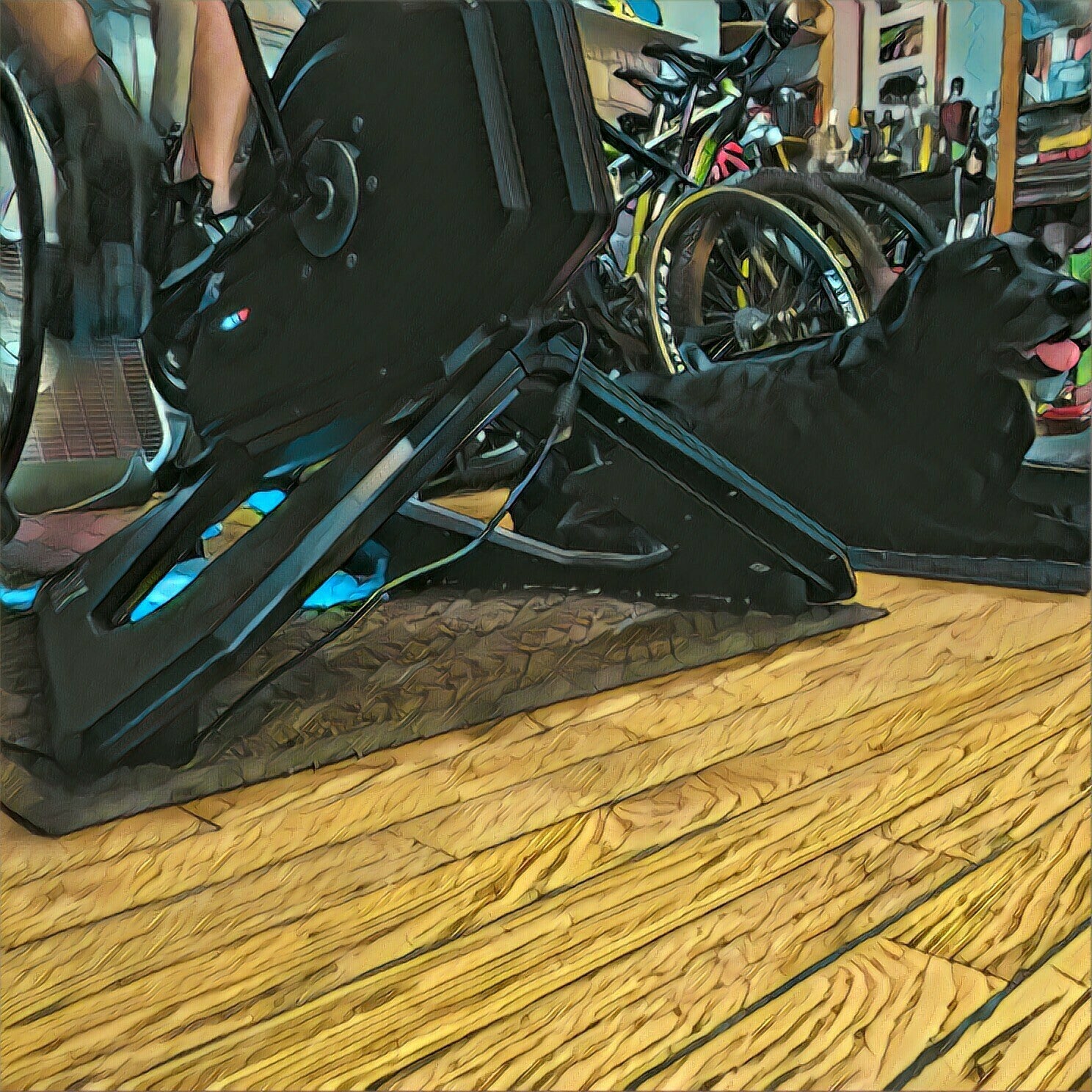
They say there's no such thing as bad cycling weather , only poorly dressed cyclists. However, the fact remains that regular outdoor training in winter is, at best, a nuisance. Dressing in layers is half the battle. Bikes get incredibly dirty, and the ubiquitous salt isn't good for them (it can even damage the resin in carbon frames). It's dark and slippery, and drivers are even more wary of cyclists than usual – so in many places, we're starting to enter the realm of extreme sports. Add to that the pandemic, which is making riding difficult for many groups, and you understand why indoor trainers have become so popular in recent years that they were practically unavailable during lockdown. And more and more cyclists have no desire to return to "analog" outdoor riding. How is this possible? In this article, I'll try to provide the most important information for those starting home training or simply wondering what it's all about. By the way, you can buy our bike with an indoor trainer at an attractive price.
What is a bike trainer?
In short, it's a device that allows you to easily convert a regular bike into a stationary bike. This saves space and allows you to exercise on the equipment you're used to. For those who train intensively, the fit is also crucial. It's as close to a normal workout as possible. Unlike traditional exercise rollers, it produces solid resistance, and the bike is firmly attached. You don't have to worry about maintaining balance.
What kind of bike can be mounted on a trainer? Almost any bike—from road to MTB or trekking. However, you'll need a special hard rubber tire. A regular tire would wear out quickly.
How to mount a bike on a trainer?
There are two basic types of trainers on the market. The first are cheaper models, in which the wheel, fitted with the aforementioned tire, is pressed against a resistance roller. First, you need to replace the quick-release axle with the included one, which fits the calipers. How do you connect a bike with a thru-axle to the trainer? The same goes for the right axle or adapter. Tighten the clamp firmly to ensure the whole thing sits securely – the loads can be significant, and you don't want to suddenly fall off the trainer. All that's left is to tighten the roller and mount the resistance control to the handlebars, if there is one. A spacer under the front wheel is also a good addition – it's inexpensive and provides better leveling and stability. I also recommend placing a mat under the entire setup – the vibrations are significant, and you can ride quite a bit on a slippery floor, potentially damaging a wooden floor. You can buy a special mat, but a regular yoga mat will work just as well. Also, remember not to use the brakes, as this can damage the trainer or the tire.

If you want to alternate between using the trainer and riding outdoors at the same time (for example, when the weather is nice in the fall), it's definitely worth getting a second wheel , especially since trainer tires tend to fit very tightly. If possible, try to get the same hub. This way, you'll ensure the cassette is seated exactly where you want it and won't have to adjust the derailleurs every time (which unfortunately happens sometimes).
Trainer with cassette
This is a more expensive but much better solution. You attach the bike without a rear wheel – the cassette is placed directly on the device. All resistance is generated internally, and data is collected in the same way. Simple and effective. For bikes with hydraulic brakes, remember to place a special stop between the brake pads to prevent the pistons from coming together if you accidentally hit the lever.

Preparing the room for the trainer and riding
A bike trainer is a completely different experience than training outdoors. This is due to two things: significant resistance and a lack of forward motion. It may sound cliché, but fainting is not uncommon. To prevent such extreme situations, first open the windows. Yes, I know it's winter. It's a good idea to cool the room down beforehand, even to 15 degrees Celsius. Trust me, you won't get cold. Also, get a fan—it will definitely bring some relief.

Another non-obvious thing – even with the above, you'll likely sweat much more than during a traditional ride. Towels placed under the bike to catch dripping sweat are standard. You can also protect the headset with something. Incidentally, after the winter season on the trainer , the tape must be replaced. It absorbs salty sweat, which can penetrate the handlebars, causing corrosion.
Think about... fighting boredom. There's nothing to observe, no landscape to pass, no friends to chat with. You can buy special tables for your laptop or tablet for the trainer, but you can also easily improvise something. A good TV show will be appreciated. Unless, of course, you're aiming for more advanced technology.
Interactive trainer - is it worth it?
If you train intensely according to a specific plan, yes. A smart trainer connects to apps and programs, allowing you to implement a specific training program—with intervals, variable resistance, etc. This will definitely make your work easier and translate into results. But that's not all. Someone clever thought that while we're at this stage, why not use the trainer as a controller for... a game? The most popular community is Zwift. It allows you to race against friends and strangers on various maps (there are also recreations of famous races). Of course, the resistance level depends on the terrain. You can even buy actuators that lift the front of the bike on climbs, or entire platforms that tilt the bike even in corners, and fans synchronized with "speed." All data on power, speed, distance, and times can be easily compared with others. Many races are also organized. And they shouldn't be taken lightly—they are often demanding events, and there are also "experts" who race exclusively at home. A sign of the times. Regardless, an interactive trainer is a great way to stay motivated and have full control over your training process. It's also incredibly fun.

Summary, i.e. positive and negative pros
A trainer is a useful training tool. It allows you to stay fit in winter and maintain your training regimen regardless of the weather. However, it's hard for me to see it as anything other than a poor imitation of the true joy of cycling. Every time I pedal while watching a documentary, I dream of spring. The downside is the noise – you'll be annoying your family and the neighbors downstairs. However, it's hard to find a major drawback that would be a significant argument against purchasing such a device. Any form of cycling activity is enjoyable, and a trainer will help you build solid fitness for the season. I recommend it.
Main photo by: schvin


Leave a comment